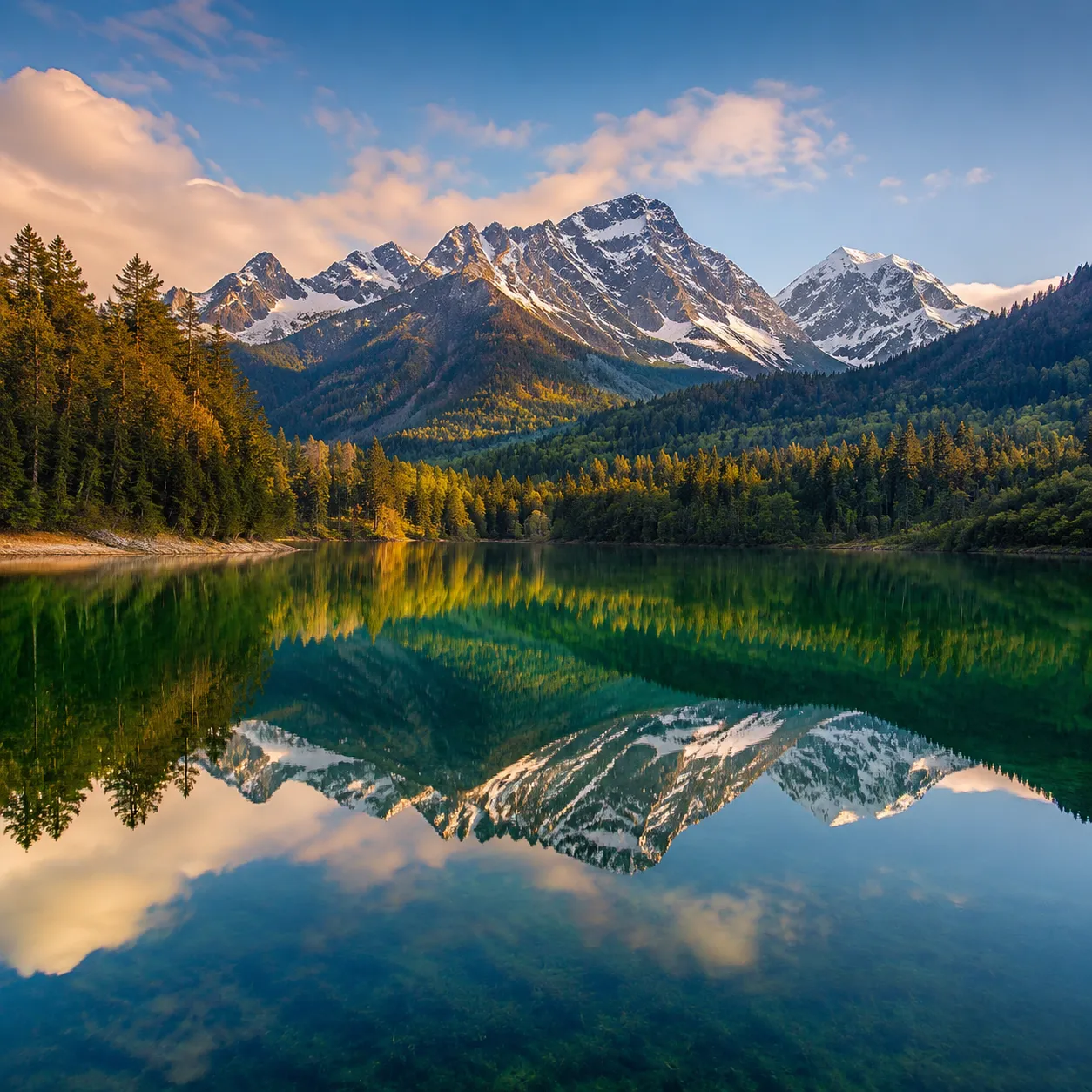
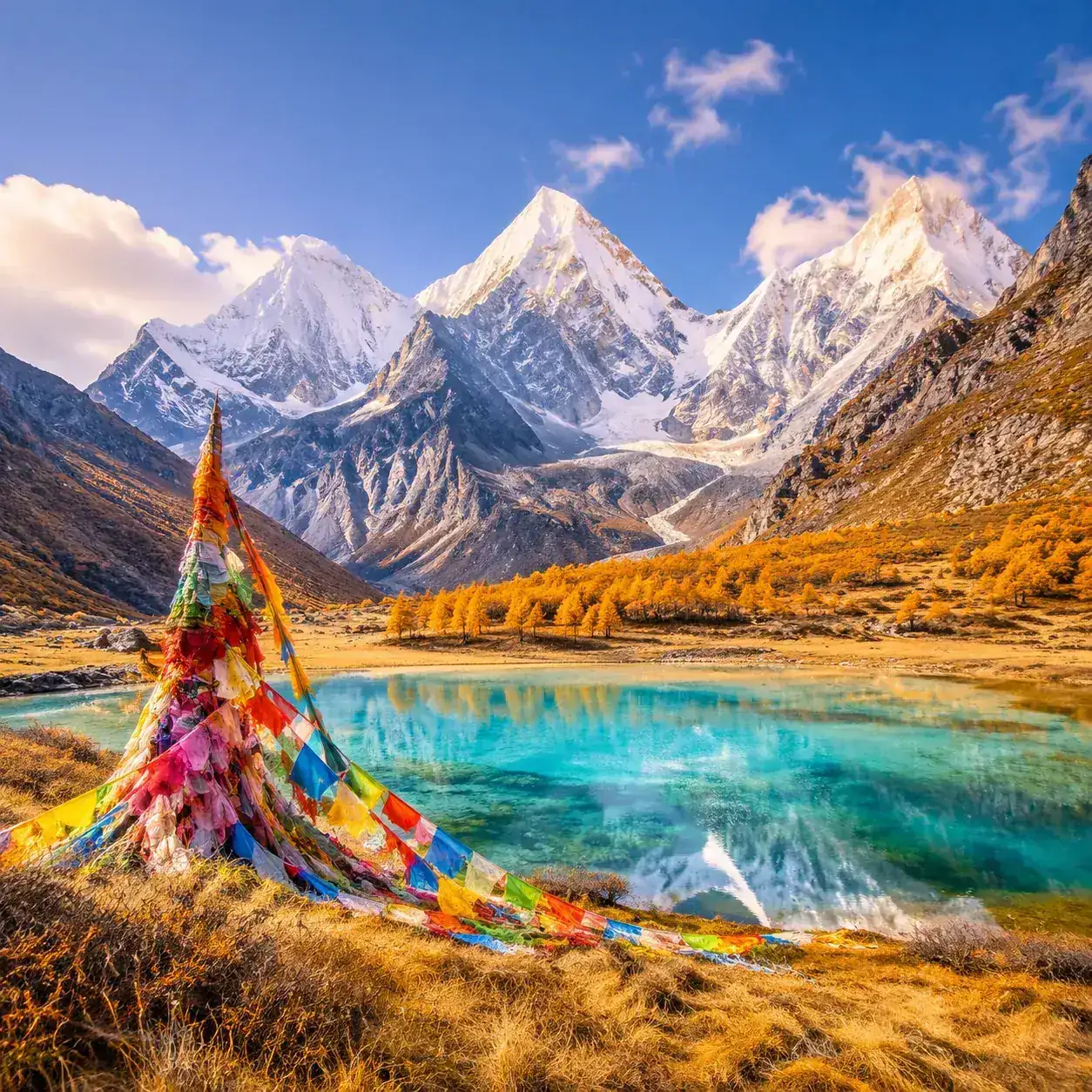
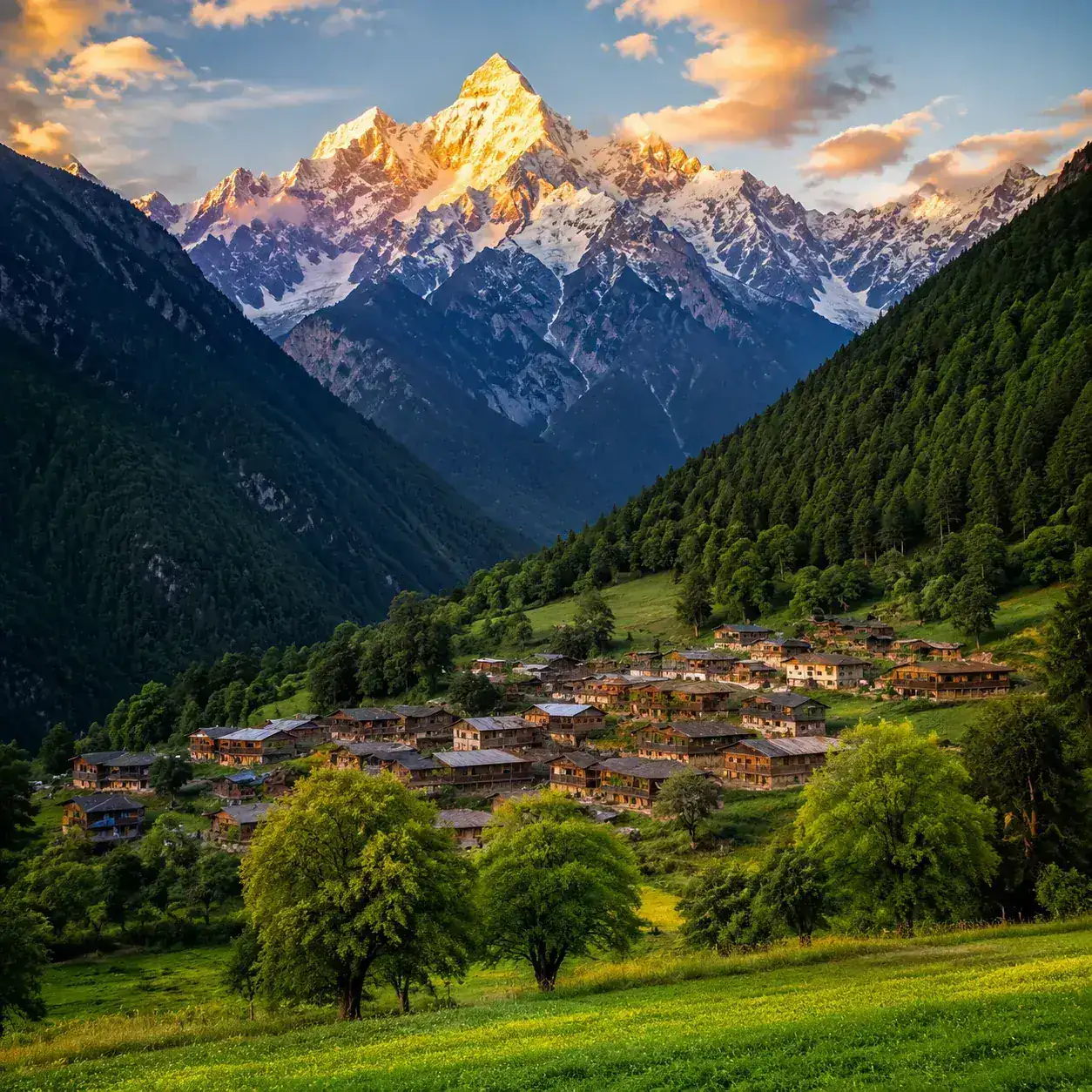
Shangri-La Yunnan panoramic landscape with Meili Snow Mountain at golden sunrise, Tibetan prayer flags in foreground, alpine meadow

Yunnan, China · 3,160m altitude

Shangri-La
Travel Guide

Everything you need to plan the perfect trip — attractions, weather, altitude guide, hotels, transport, costs, food, and FAQs. All on one page.

Quick Facts

Altitude
3,160 m
Airport
Diqing (DIG)
Best Months
May & Sep-Oct
Avg Stay
2-4 days
Currency
RMB (CNY)
Timezone
UTC+8
Updated August 2026
1

Authentic Tibetan Culture

Experience genuine Tibetan Buddhist traditions without needing a Tibet permit. Morning chanting at Songzanlin Monastery, prayer flag ceremonies, and centuries-old architecture.

2

Dramatic Landscapes

From 6,740m snow peaks to deep gorges, alpine lakes to vast grasslands. Shangri-La packs more geographic diversity into one prefecture than most countries.

3

Accessible Adventure

Modern expressway from Lijiang, direct flights from major Chinese cities. World-class trekking, photography, and cultural immersion without the logistical complexity of remote Tibet.

Comparison

Shangri-La vs Tibet

Many travelers wonder: can Shangri-La replace Tibet? Here's an honest side-by-side comparison so you can decide which fits your trip.

Aspect Shangri-La Tibet (TAR) Winner
Travel permit No permit needed. Standard Chinese visa only. Tibet Travel Permit + group tour + guide required. Shangri-La
Altitude 3,160 m (city). Most attractions 3,200-3,500 m. 3,656 m (Lhasa). Everest Base Camp 5,200 m. Shangri-La
Tibetan culture Authentic — monasteries, festivals, Tibetan majority prefecture. Deeper immersion but heavily regulated access. Tibet
Cost (7 days) 2,000-5,000 RMB independent travel. 6,000+ RMB (mandatory tour package). Shangri-La
Flexibility Independent travel, rent a car, go anywhere. Fixed itinerary, guide escorts, checkpoints. Shangri-La
Landscapes Alpine lakes, gorges, snow mountains, grasslands. Vaster, higher, more iconic. Himalayan spine. Tibet
Accessibility 3.5 hrs from Lijiang by expressway. Direct flights. Train or flight. Permit processing takes 1-2 weeks. Shangri-La
Best for First-time China travelers, independent explorers, photographers. Hardcore trekkers, spiritual seekers, bucket-list travelers. Depends

Bottom line: Shangri-La wins on accessibility, cost, and freedom. Tibet wins on scale and spiritual depth. If you want Tibetan culture without the logistical headache, Shangri-La is your answer. If Tibet is a lifelong dream and you're okay with a guided tour, go for it — or do both.

Must See

Attractions

Eight places that define Shangri-La. Click any card for details: altitude, time needed, best season, and ticket prices.

Pudacuo National Park Shangri-La Yunnan
Nature

Pudacuo National Park

Pristine alpine lakes, wetlands, and forests. Home to rare black-necked cranes. The Shudu Lake trail offers the most photogenic views in Shangri-La.

Altitude

3,500 m

Time

4-6 hrs

Best Season

May-Oct

Ticket

100 RMB

Read Full Guide
Songzanlin Monastery Shangri-La Yunnan
Culture

Songzanlin Monastery

The largest Tibetan Buddhist monastery in Yunnan, built in 1679. Often called the Little Potala Palace. Morning chanting ceremonies at 6:30 AM are open to visitors.

Altitude

3,300 m

Time

2-3 hrs

Best Season

All year

Ticket

115 RMB

Read Full Guide
Dukezong Old Town Shangri-La Yunnan
History

Dukezong Old Town

A 1,300-year-old Tibetan quarter rebuilt after the 2014 fire. Home to the world's largest prayer wheel (21m tall). Best explored at dusk when lanterns light up the lanes.

Altitude

3,300 m

Time

2-4 hrs

Best Season

All year

Ticket

Free

Read Full Guide
Napa Lake Shangri-La Yunnan
Nature

Napa Lake

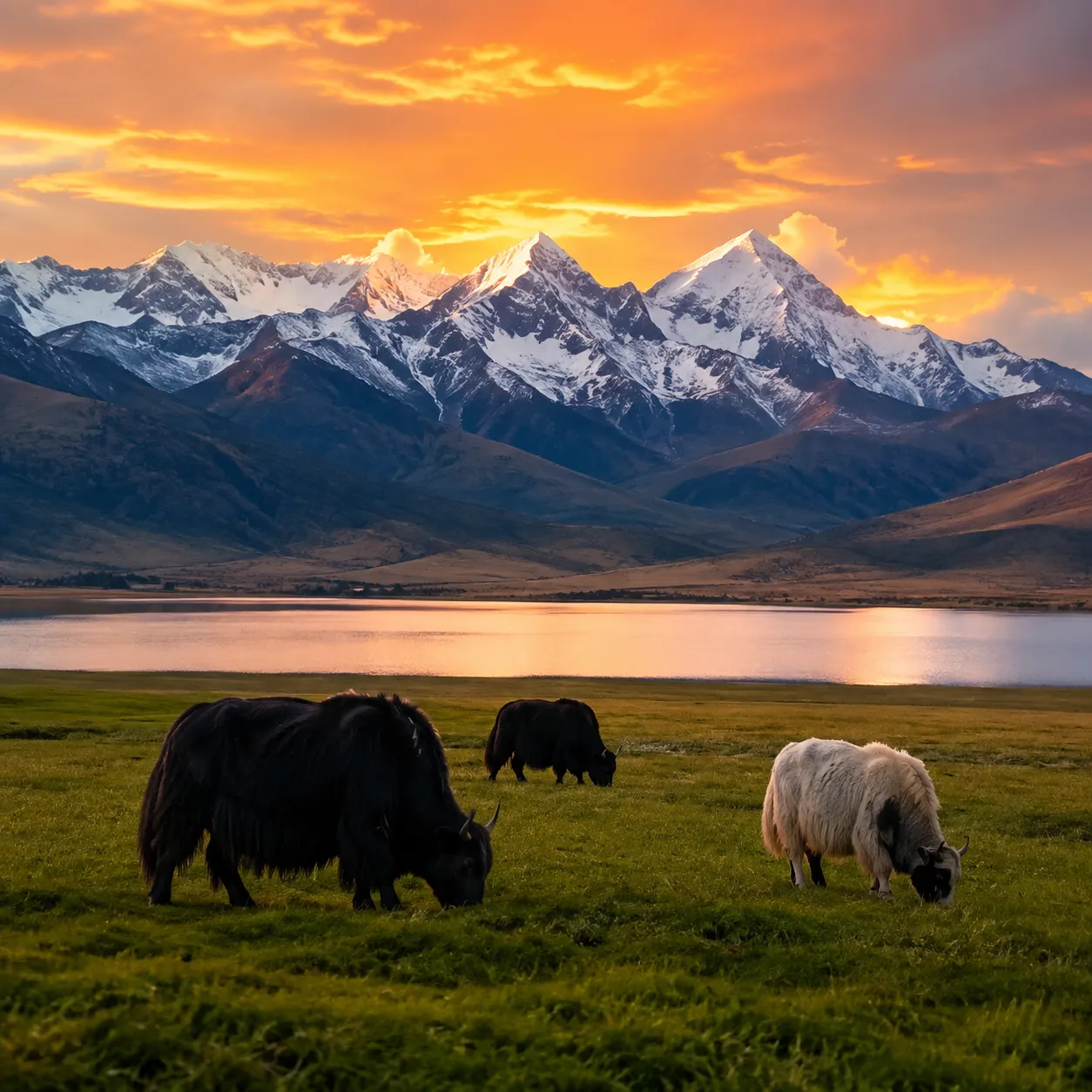
A seasonal highland lake that transforms into a vast grassland in dry months. Yak and horse grazing with snow-capped mountain backdrops. Stunning at sunset.

Altitude

3,266 m

Time

2-4 hrs

Best Season

May-Oct

Ticket

60 RMB

Read Full Guide
Tiger Leaping Gorge Shangri-La Yunnan
Adventure

Tiger Leaping Gorge

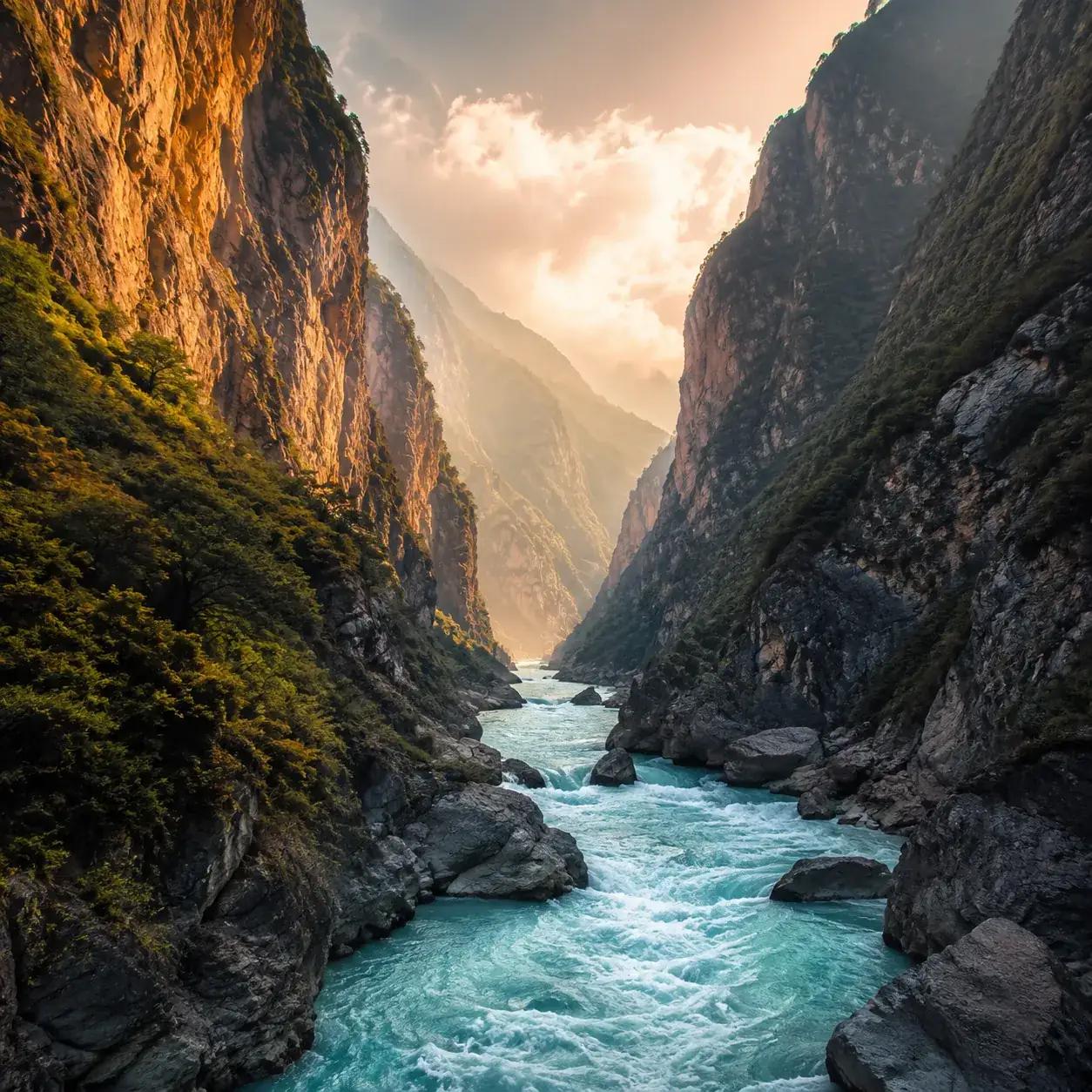
One of the deepest river gorges in the world. The high trail is a world-class 2-day trek with guesthouses along the route. Day trips to the upper gorge are also possible.

Altitude

1,800-2,670 m

Time

1-2 days

Best Season

Apr-Jun, Sep-Oct

Ticket

65 RMB

Read Full Guide
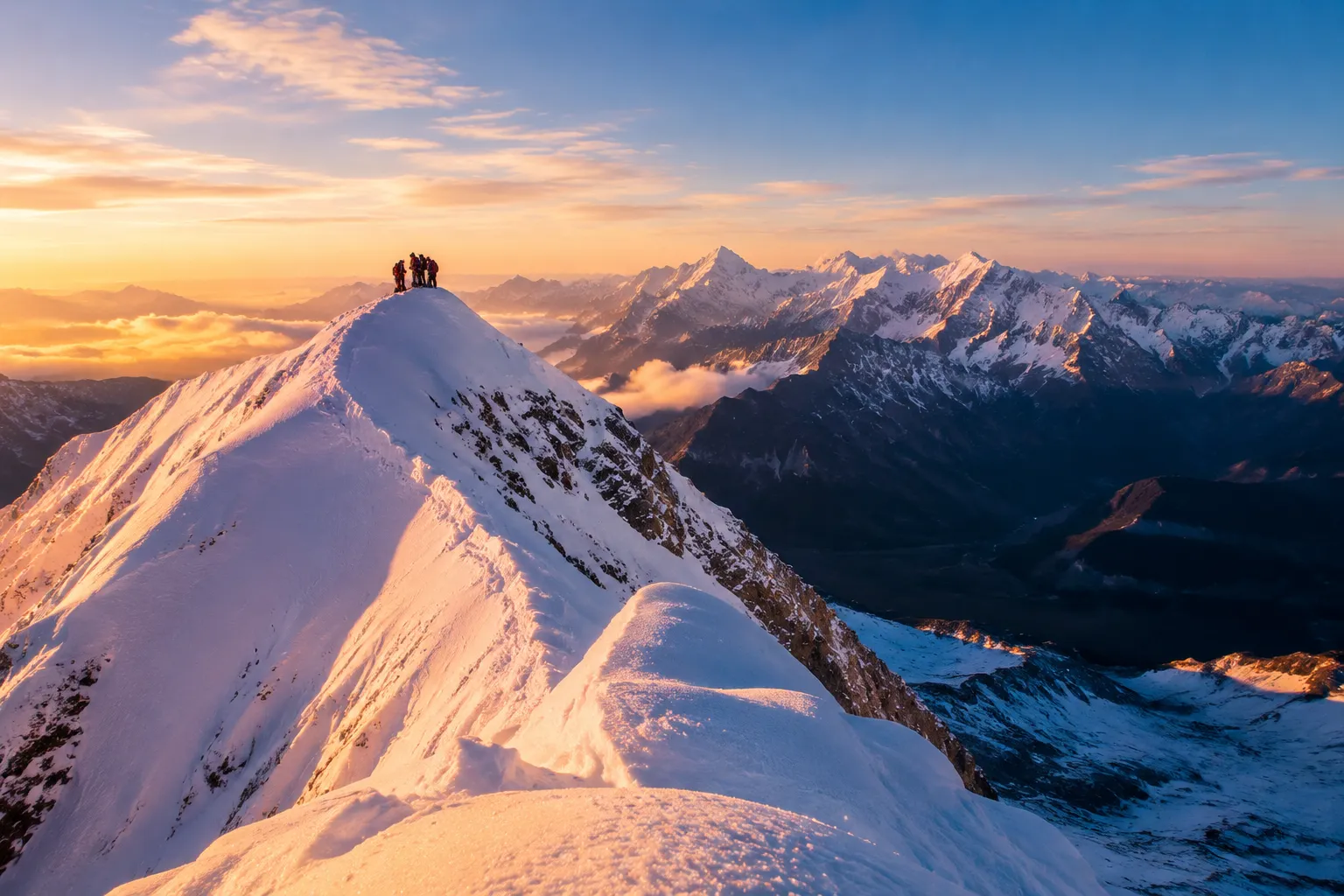
Meili Snow Mountain Shangri-La Yunnan
Nature

Meili Snow Mountain

Sacred to Tibetan Buddhists, the Meili range includes Kawagebo, Yunnan's highest peak. The sunrise view from Feilai Temple is one of China's most iconic landscapes.

Altitude

6,740 m

Time

1-2 days

Best Season

Oct-May

Ticket

Free (viewing)

Read Full Guide
Balagezong Canyon Shangri-La Yunnan
Nature

Balagezong Canyon

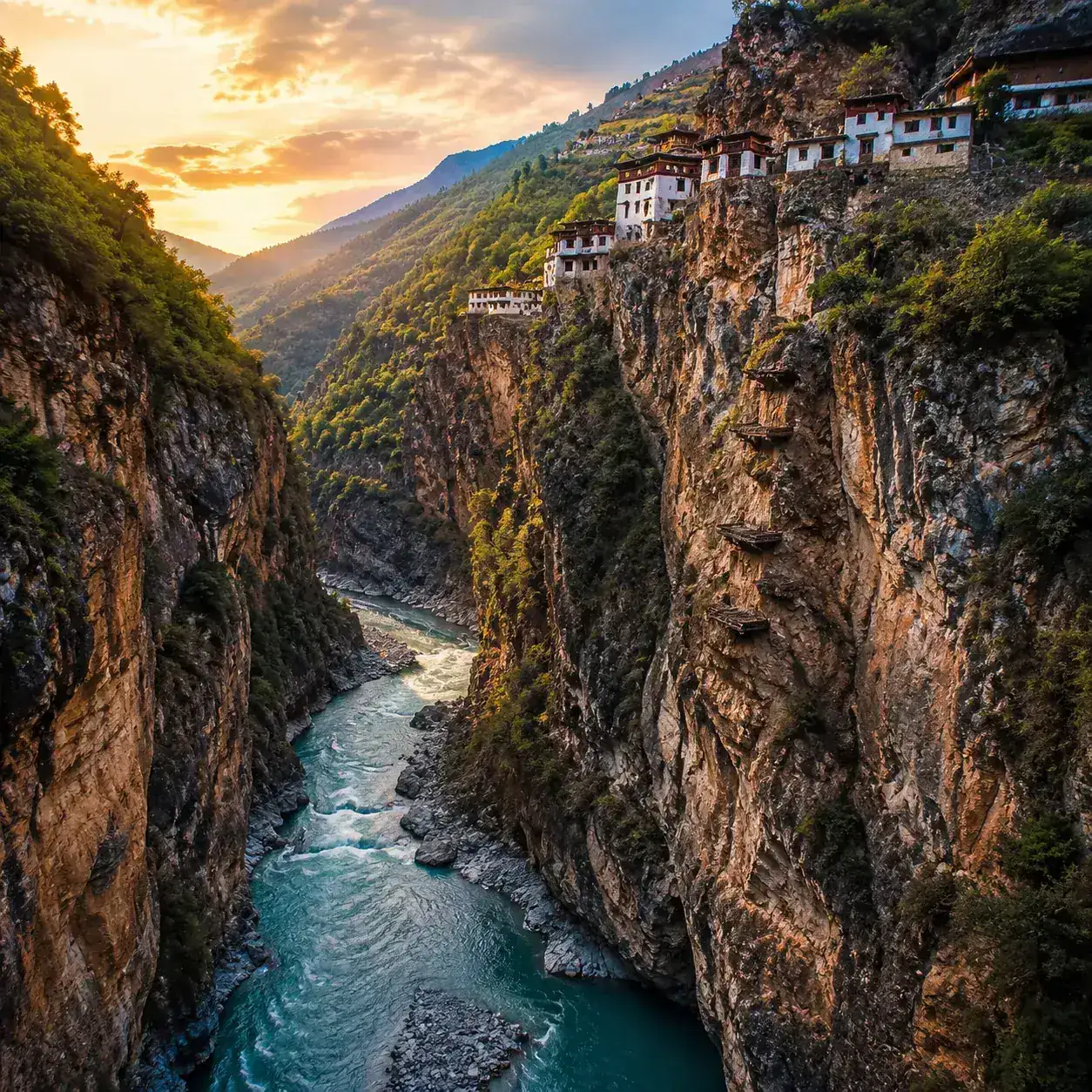
A dramatic canyon with hanging coffins, Tibetan villages, and a glass skywalk. Less touristy than Tiger Leaping Gorge but equally impressive.

Altitude

2,200-4,000 m

Time

4-6 hrs

Best Season

May-Oct

Ticket

170 RMB

Read Full Guide
Baishuitai Terraces Shangri-La Yunnan
Nature

Baishuitai Terraces

Natural travertine terraces nicknamed China's Pamukkale. Spring-fed mineral pools cascade down a hillside. Best in morning light when the pools are most reflective.

Altitude

2,380 m

Time

2-3 hrs

Best Season

Mar-May

Ticket

30 RMB

Read Full Guide

Interactive

Map

All landmarks on one map. Hover for names, click for details.

Trip Plans

Itineraries

Pick your duration. Each plan is tested and optimized for logistics and timing.

2 Days

City Express

Day 1: Morning chanting at Songzanlin Monastery, lunch at a Tibetan tea house in Dukezong Old Town, cobblestone lane stroll, sunset at Napa Lake. Day 2: Full morning at Pudacuo National Park (Shudu Lake trail), lunch at the park exit noodle shop, afternoon departure. Best for weekend trips. Eat: Yak butter tea and tsampa at a Dukezong tea house.

3 Days

Classic Shangri-La

Day 1: City highlights (Songzanlin + Dukezong + Napa Lake). Day 2: Pudacuo National Park with packed lunch. Day 3: Tiger Leaping Gorge upper section day trip - 2h drive each way, 2-3h hike on paved trail. The most popular itinerary. Eat: Naxi grilled fish at a guesthouse near the gorge on Day 3.

5 Days

Extended Explorer

Day 1-2: Local highlights at relaxed altitude pace. Day 3: Tiger Leaping Gorge full day. Day 4: Scenic drive to Feilai Temple (4 hrs) via Baima Snow Mountain pass. Day 5: 7 AM sunrise over Meili Snow Mountain, then drive back to Shangri-La. Eat: Yak hotpot in Deqin town on Day 4 evening.

7+ Days

Full Yunnan Circuit

Days 1-3: Classic Shangri-La. Day 4: Balagezong Canyon day trip. Day 5: Baishuitai Terraces. Day 6: Drive to Lijiang (3.5 hrs), explore UNESCO old town. Day 7: Jade Dragon Snow Mountain or Shuhe Ancient Town. Extend to Dali (+2 days) for Erhai Lake cycling. Eat: Lijiang baba (flatbread) and Dali crosstalk tofu.

Climate

Weather by Month

Plan around the seasons. Temperatures in Celsius, rainfall in millimeters.

Month High (C) Low (C) Rain (mm) Rating
Jan 6deg -10deg 3 Fair
Feb 8deg -8deg 5 Fair
Mar 11deg -4deg 8 Good
Apr 15deg -1deg 15 Good
May 19deg 3deg 30 Best
Jun 21deg 7deg 80 Best
Jul 22deg 9deg 150 Wet
Aug 21deg 8deg 140 Wet
Sep 19deg 5deg 60 Best
Oct 15deg 0deg 20 Best
Nov 10deg -6deg 5 Good
Dec 7deg -9deg 2 Fair

Best months for visiting: May, June, September, October. Avoid July-August (monsoon) and December-February (extreme cold, possible road closures).

Real-Time

Live Weather

Current conditions in Shangri-La updated hourly from Open-Meteo.

Loading weather data...

Data from Open-Meteo API. Shangri-La coordinates: 27.83 N, 99.70 E.

Health

Altitude Guide

Shangri-La sits at 3,160m. Most visitors adapt in 24-48 hours. Here is what to expect and how to prepare.

Mild symptoms (normal)

Headache, shortness of breath when walking uphill, fatigue, mild insomnia. These are normal and usually resolve within a day.

Prevention tips

Arrive gradually if possible (spend a night at 2,400m Lijiang first). Drink 3-4 liters of water daily. Avoid alcohol for the first 48 hours. Eat light, high-carb meals.

Medication

Diamox (acetazolamide) 125mg twice daily starting 1-2 days before arrival significantly reduces symptoms. Oxygen canisters (30-50 RMB) available everywhere. Ibuprofen helps with headaches.

When to descend

If you experience severe headache unresponsive to medication, confusion, difficulty breathing at rest, or chest tightness, descend immediately. Diqing has a hospital with altitude sickness expertise.

Altitude at Key Locations

Shangri-La city center

Base elevation for most visitors

3,160 m

Dukezong Old Town

Within city, gentle uphill

3,300 m

Songzanlin Monastery

Steps can be challenging first day

3,300 m

Napa Lake

Flat terrain, easy walking

3,266 m

Pudacuo National Park

Boardwalks, moderate exertion

3,500 m

Balagezong Canyon

Wide range, highest point requires car

2,200-4,000 m

Feilai Temple (Meili)

Overnight stays available

3,400 m

Kawagebo Peak

Viewing only, no climbing permitted

6,740 m

Acclimatization Timeline: What to Do Each Day

Day 1 Arrive & Rest

Check into your hotel. Walk slowly, drink 3-4L water, eat light meals. Explore Dukezong Old Town at a relaxed pace. No alcohol. Take a short evening walk to the prayer wheel.

Day 2 Gentle Exploration

Visit Songzanlin Monastery (morning chanting is unforgettable but involves stairs — take it slow). Afternoon: Napa Lake by car. You should be 70-80% acclimatized by evening.

Day 3 Full Activity

You're ready for Pudacuo National Park (more walking at 3,500 m). Still carry water and an oxygen canister just in case. Most people feel completely normal by now.

Day 4+ Adventure Ready

Tiger Leaping Gorge trek, Meili Snow Mountain road trip, or Balagezong Canyon. Your body has adapted. Continue hydrating and avoid alcohol binges.

This timeline assumes you arrive from Lijiang (2,400 m). If flying directly from sea level, expect symptoms to be 20-30% more intense and allow an extra rest day.

Accommodation

Where to Stay

Three areas, three experiences. Pick based on your travel style.

Old Town

Dukezong area

Cobblestone charm, boutique Tibetan guesthouses, walkable to everything. Atmospheric at night with lantern-lit lanes and the prayer wheel.

Price range 80-400 RMB

New Town

City center

Modern hotels with consistent international standards, chain options, larger rooms, and reliable heating. Better for comfort-oriented travelers.

Price range 200-800 RMB

Countryside

Napa Lake / Pudacuo

Scenic lodges with mountain views, Tibetan homestays with home-cooked meals, and boutique resorts. Peaceful, photogenic, but need transport. Recommended: Banyan Tree Ringha (5-star Tibetan village resort, 1,200-2,000 RMB), Napa Lake Guesthouse (authentic homestay with yak views, 150-300 RMB), Songtsam Linka Retreat (lakeside boutique, 700-1,000 RMB).

Price range 150-1,200 RMB

Getting There

Transportation

Four ways to reach Shangri-La, compared by time, cost, and convenience.

Method From Duration Cost (RMB) Best For
FlightKunming / Chengdu / Lhasa1-2 hrs300-800Long-distance travelers
ExpresswayLijiang3.5 hrs80-150Scenic road trip
Long-distance BusKunming / Dali6-10 hrs100-200Budget travelers
Private CarLijiang / Dali3.5-5 hrs400-800Groups, flexibility

Diqing Shangri-La Airport (DIG)

Direct flights from Kunming (1 hr), Chengdu (1.5 hrs), Lhasa (2 hrs), Guangzhou (2.5 hrs), Xishuangbanna (1 hr), Chongqing (2 hrs). Airport is 5 km from city center. Taxi to town: 30 RMB. Flights bookable on Trip.com or Ctrip in English.

Getting Around Town

City taxis start at 8 RMB. For attractions outside town (Pudacuo, Napa Lake), hire a car for the day (400-600 RMB) or join a group tour from your hotel.

Flight Routes to DIG

Departure Duration Airlines Frequency Price (one-way)
Kunming (KMG)1 hrChina Eastern, Lucky Air6-8 daily300-500 RMB
Chengdu (CTU)1.5 hrsAir China, Sichuan Airlines3-4 daily400-700 RMB
Lhasa (LXA)2 hrsTibet Airlines1-2 daily500-900 RMB
Guangzhou (CAN)2.5 hrsChina Southern1-2 daily500-800 RMB
Chongqing (CKG)2 hrsSichuan Airlines1-2 daily400-600 RMB

Book on Trip.com (English interface, international cards accepted). Prices fluctuate 30-50% during Chinese holidays (especially National Day Oct 1-7 and Spring Festival). Book 2-4 weeks ahead for the best rates.

Budget

Travel Costs

Daily expenses per person in RMB. Flights to Shangri-La not included.

Category Budget Comfort Luxury
Accommodation80-150200-500600-1,200
Meals30-6080-150200-400
Transport30-80100-200300-600
Attractions50-100100-200200-400
Total / day190-390480-1,0501,300-2,600

A 3-day trip at comfort level typically costs 1,500-3,000 RMB per person, excluding flights to Shangri-La. Budget travelers can manage 600-1,200 RMB for the same duration.

Preparation

Packing List

What to bring for every season. At 3,000m+, the sun is intense and temperatures swing dramatically.

Clothing

  • Base layer (thermal)
  • Fleece or wool mid-layer
  • Windproof/waterproof jacket
  • Comfortable hiking pants
  • Warm hat and gloves
  • Sturdy walking shoes

Sun Protection

  • SPF 50+ sunscreen
  • UV-protective sunglasses
  • Wide-brimmed hat
  • Lip balm with SPF
  • Light scarf or buff

Health & Comfort

  • Altitude meds (Diamox)
  • Pain relievers (ibuprofen)
  • Moisturizer (air is dry)
  • Reusable water bottle
  • Hand sanitizer
  • Power bank

Documents & Money

  • Passport + visa copy
  • Travel insurance card
  • Cash (RMB) — essential
  • WeChat/Alipay (if possible)
  • Hotel booking confirmations

First-Time Visitors

China Travel Starter Kit

Essential preparation for visiting Shangri-La as an international traveler. Visa, apps, payments, internet — everything you need sorted before you board the plane.

Visa Check

38 countries now have 15-day visa-free entry to China (2024-2025 policy, includes most EU, Australia, NZ, Malaysia, etc.). 54 countries qualify for 144-hour transit visa-free via Kunming/Chengdu. Check your eligibility before booking.

VPN Setup

Install a VPN BEFORE arriving in China. Google, Gmail, Instagram, WhatsApp, Google Maps are all blocked. Popular choices: LetsVPN, Astrill, Mullvad. Download and test at home — you cannot install after arrival.

Essential Apps

Install before departure: Didi (ride-hailing, works in English), Baidu Maps or Apple Maps (Google Maps is inaccurate in China), Pleco (offline Chinese dictionary), Google Translate (download Chinese offline pack).

SIM Card & Internet

Buy a China Unicom or China Mobile SIM at Kunming Airport (100-200 RMB for 20GB). eSIM options: Nomad, Airalo, Holafly. Hotel WiFi is reliable but behind the firewall. Pro tip: screenshot your hotel address in Chinese for taxi drivers.

Payment Setup

Cash is accepted but digital payment dominates. If you can set up Alipay TourPass (links to international cards) or WeChat Pay Tour Card before arrival, you'll have a much smoother experience. Otherwise, carry enough RMB cash — ATMs work but some reject foreign cards.

Travel Insurance

Essential for high-altitude travel. Ensure your policy covers trekking above 3,000 m and helicopter evacuation. World Nomads, SafetyWing, and True Traveller all cover China with altitude add-ons. Hospitals in Shangri-La are basic — serious cases go to Kunming.

Taste & Tradition

Food & Culture

Tibetan cuisine meets Yunnan flavors. Yak butter tea, barley wine, and monastery rituals.

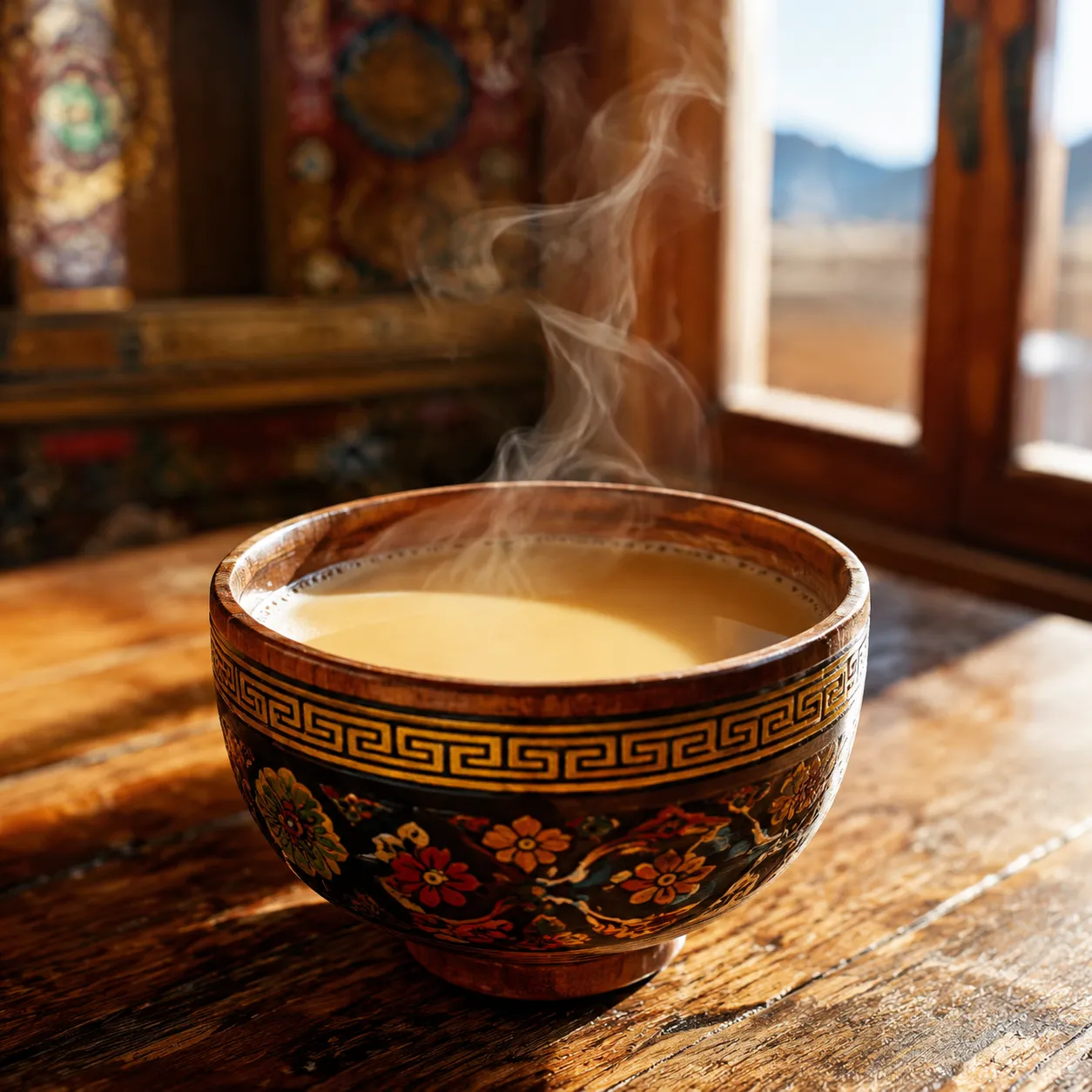
Yak Butter Tea Shangri-La Yunnan

Yak Butter Tea

Salty, rich, and energizing. Made from yak butter, tea leaves, and salt churned together. An acquired taste but central to Tibetan hospitality. Served in every household and monastery.

Learn More
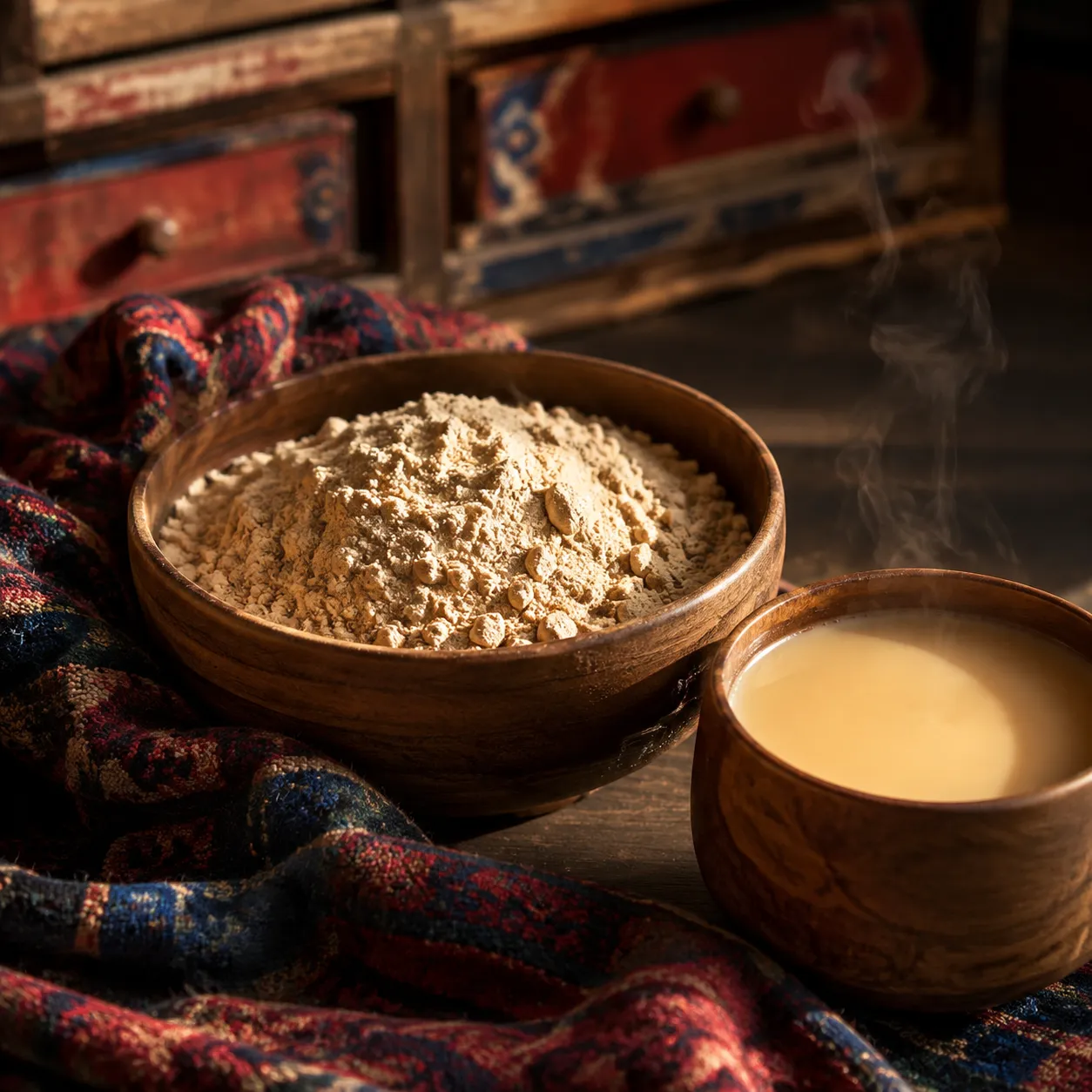
Tsampa Shangri-La Yunnan

Tsampa

Roasted barley flour mixed with butter tea into a dough-like consistency. The staple food of Tibetan nomads. High in energy, perfect for high-altitude trekking.

Learn More
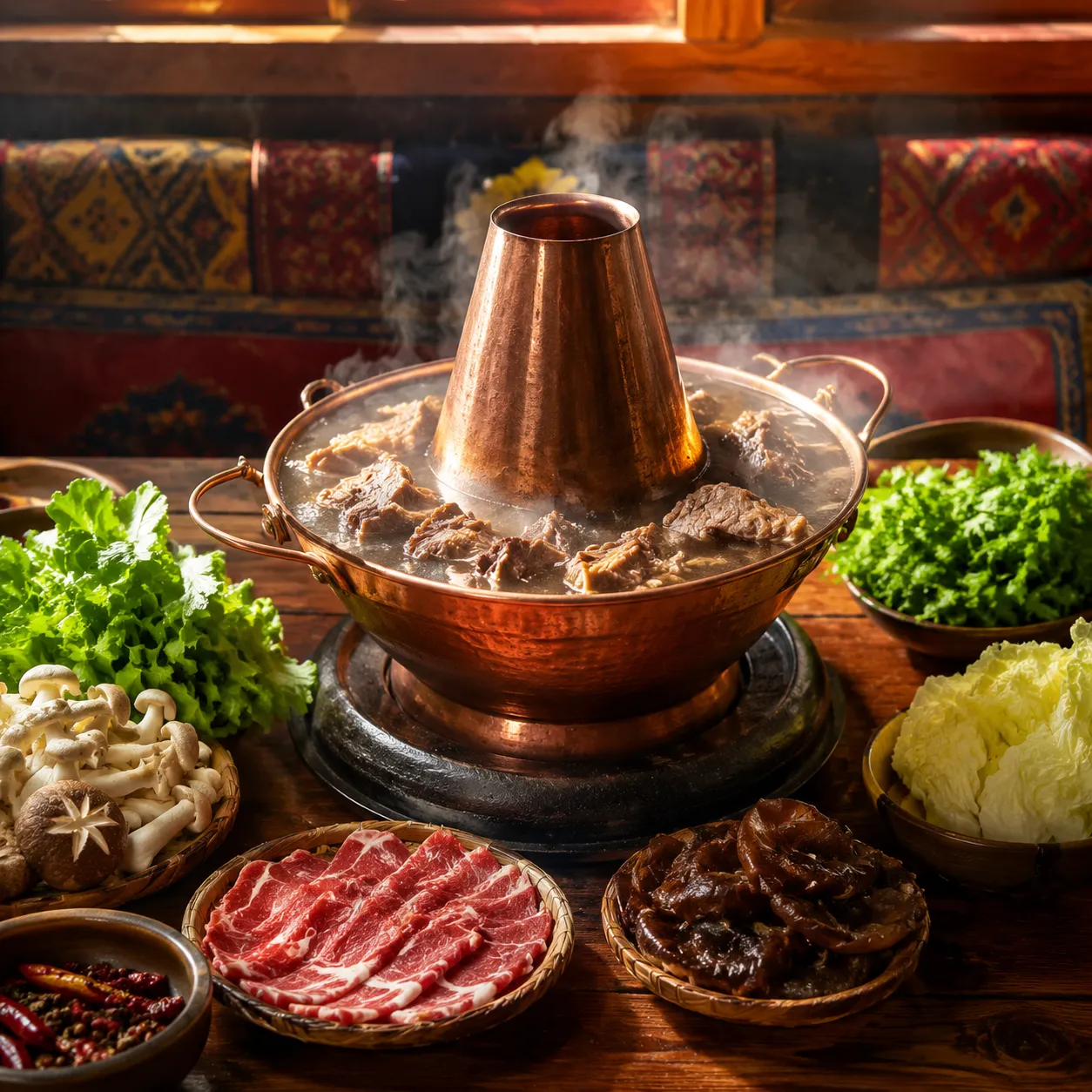
Yak Hotpot Shangri-La Yunnan

Yak Hotpot

Tender yak meat simmered in a spicy broth with local vegetables and mushrooms. Best enjoyed on cold evenings. Try at local restaurants in the old town.

Learn More
Matsutake Mushrooms Shangri-La Yunnan

Matsutake Mushrooms

Shangri-La is famous for wild matsutake mushrooms (July-September). Grilled, in hotpot, or stir-fried. A seasonal delicacy prized in Japan and exported worldwide.

Learn More
Tibetan Barley Wine Shangri-La Yunnan

Tibetan Barley Wine

A mild, slightly sour fermented barley drink served warm. Lower alcohol than grape wine. Offered as a welcome drink in Tibetan homes and restaurants.

Learn More
Morning Chanting Shangri-La Yunnan

Morning Chanting

At Songzanlin Monastery, monks gather for chanting at 6:30 AM daily. Visitors are welcome to observe from the sides. A profound cultural experience. Dress respectfully, no photos during ceremony.

Learn More

Insider Knowledge

Travel Tips

Book flights 2-4 weeks ahead

Diqing Airport has limited flights. Kunming-Shangri-La routes fill up during holidays. Book early for the best prices (300-500 RMB one way).

Spend a night in Lijiang first

At 2,400m, Lijiang is a gentler introduction to altitude. One night there before heading up to 3,160m significantly reduces altitude sickness risk.

Hire a Tibetan-speaking driver for Meili

The 4-hour drive to Feilai Temple for the Meili sunrise is best done with a local driver who knows the mountain roads and weather patterns. 600-800 RMB round trip.

Dress in layers, always

A sunny afternoon can reach 22 C, then drop to 5 C after sunset. A backpack with an extra layer is essential even on short walks.

Cash is essential

While hotels accept cards, local restaurants, markets, and smaller guesthouses are cash-only. Withdraw RMB in Kunming or Lijiang before arriving.

Respect monastery etiquette

Walk clockwise around stupas and prayer wheels. Do not point your feet at Buddha statues. Ask before photographing monks. Remove hats inside temples.

The prayer wheel ritual

At Dukezong's giant prayer wheel, join locals in spinning it clockwise. Tradition says 3, 7, or 108 rotations bring blessings. A memorable way to connect with local culture.

Download offline maps and translation

Cell signal can be spotty outside town. Download offline Google Maps or Baidu Maps. A translation app (Google Translate or Pleco) is essential as English is limited.

Independent Travel

Solo Travel in Shangri-La

Traveling alone? Shangri-La is one of the safest and most rewarding solo destinations in China. Here's how to make the most of it.

Meeting Other Travelers

Stay at a hostel in Dukezong Old Town (Jianshe Tang, Blue Moon Valley). These attract independent travelers from around the world. Common areas and rooftop cafes are natural social hubs. Join group day trips to Tiger Leaping Gorge to find trekking partners.

Dining Alone

Tibetan tea houses are welcoming to solo diners. Try the momo (dumpling) shops near Sifang Street — counter seating is common. Hotpot restaurants are better with 2+ people, but most noodle shops and stir-fry places are solo-friendly.

Getting Around Solo

Didi works for in-town trips (8-15 RMB). For day trips, ask your hostel to pair you with other guests to share a driver (400-600 RMB split 3-4 ways). The Lijiang-Shangri-La express bus is safe and costs 80 RMB.

Safety Reality

Shangri-La has virtually no violent crime. The actual risks are: altitude sickness (know the symptoms), mountain road accidents (avoid night driving), and getting lost without cell signal (download offline maps). Female solo travelers consistently report feeling safe here.

Answers

Frequently Asked Questions

Is Shangri-La worth visiting?

Yes, absolutely. It is one of the most unique destinations in China. The combination of Tibetan Buddhist culture, dramatic Himalayan scenery, and a palpable sense of remoteness creates an experience that no other place in Yunnan offers. The altitude and journey add to the mystique.

Do I need a special permit to visit Shangri-La?

No. Unlike the Tibet Autonomous Region, Shangri-La (Diqing Tibetan Autonomous Prefecture) does not require a special travel permit or a Tibet Travel Permit. A standard Chinese visa is sufficient for foreign visitors. You can travel independently.

How do I deal with the altitude sickness?

Most visitors adapt within 24-48 hours. Key tips: spend your first day at a relaxed pace, drink 3-4 liters of water, avoid alcohol, eat light meals, and consider Diamox (acetazolamide) starting 1-2 days before arrival. Oxygen canisters are sold everywhere if needed.

When is the best time to visit Shangri-La?

May to June offers blooming rhododendrons and comfortable temperatures. September to October brings clear skies, golden autumn colors, and stable weather. Avoid July-August for monsoon rains and December-February for extreme cold and possible road closures.

How do I get to Shangri-La from Lijiang?

The Lijiang-Shangri-La Expressway takes approximately 3.5 hours by car. Daily flights from Lijiang to Diqing Shangri-La Airport (DIG) take 1 hour. Buses depart regularly from Lijiang Bus Station (4-5 hours). A high-speed railway line is under construction.

Is Shangri-La safe for solo travelers?

Yes, Shangri-La is very safe. Violent crime is extremely rare. The main risks are altitude-related health issues and traffic safety on mountain roads. Solo female travelers report feeling comfortable here. Basic Mandarin or a translation app is helpful as English is not widely spoken.

What should I pack for Shangri-La?

Pack layers: the temperature can swing 15 C in a day. Essentials: sunscreen (UV is intense at altitude), lip balm, moisturizer, sunglasses, comfortable walking shoes, a warm jacket even in summer, rain gear (May-Oct), and altitude sickness medication.

Can I use credit cards in Shangri-La?

Cash is still king, especially in smaller establishments. Major hotels and upscale restaurants accept international cards, but bring RMB cash for local restaurants, taxis, and market purchases. WeChat Pay and Alipay are ubiquitous for those with Chinese bank accounts.

How much does a trip to Shangri-La cost?

Budget travelers can manage on 200-400 RMB per day (hostel, local food, public transport). Mid-range travelers should budget 600-1,000 RMB per day. Luxury travelers can expect 1,500+ RMB per day. Flights to/from Shangri-La are additional.

Is English widely spoken in Shangri-La?

No. English is rare outside international hotels and some upscale restaurants. Hotel front desks in Dukezong Old Town usually have someone with basic English. For everything else, download Google Translate with the Chinese offline pack or use Pleco. Learn three phrases: 'Ni hao' (hello), 'Xie xie' (thank you), and showing your hotel address card to taxi drivers.

Do I need a VPN to visit Shangri-La?

Yes. Google, Gmail, Instagram, Facebook, WhatsApp, and Google Maps are blocked in China. Install and test a VPN before you leave home — you cannot download VPN apps after arrival. LetsVPN, Astrill, and Mullvad are reliable choices. Hotel WiFi and local SIM cards both go through the firewall.

Can I visit Shangri-La with China's visa-free policy?

Probably yes. As of 2025-2026, 38 countries have 15-day visa-free entry (most EU, Australia, NZ, Malaysia, Japan, South Korea, etc.). An additional 54 countries qualify for 144-hour transit visa-free via Kunming, Chengdu, or Chongqing. Check China's latest visa policy on your government's travel advisory site before booking.

Is Shangri-La suitable for children or older travelers?

Yes, with precautions. Children over 6 generally adapt well to 3,160 m. Seniors should consult a doctor about altitude and pre-existing conditions. Choose gentler activities (Old Town, Napa Lake by car, Songzanlin Monastery) and avoid Tiger Leaping Gorge trekking. Hotels in the new town offer more consistent comfort for families and older guests.

What is the difference between Shangri-La City and Shangri-La County?

Shangri-La City (formerly Zhongdian, renamed in 2001) is the urban center and county seat of Shangri-La County within Diqing Tibetan Autonomous Prefecture. When travelers say 'Shangri-La,' they usually mean the city and its surrounding attractions within a 100 km radius. The county covers 11,613 km² — larger than Jamaica.

Can I hike independently or do I need a guide?

Most trails are accessible independently. Tiger Leaping Gorge high trail is well-marked and dotted with guesthouses — no guide needed. Pudacuo requires you to use park shuttle buses. For remote areas like Yubeng Village or Balagezong, a local guide improves safety and experience. No special hiking permits are required for Shangri-La.

Extend Your Trip

Nearby Destinations

Shangri-La is the perfect base for exploring northwest Yunnan and beyond.

Lijiang near Shangri-La Yunnan

Lijiang

3.5 hrs by car

UNESCO World Heritage old town with canals, Jade Dragon Snow Mountain, and Naxi minority culture.

Dali near Shangri-La Yunnan

Dali

6 hrs by car

Erhai Lake, Cangshan Mountain, and the ancient Dali Kingdom capital. Laid-back backpacker hub with great cafes.

Daocheng Yading near Shangri-La Yunnan

Daocheng Yading

5 hrs by car

Sichuan's spectacular nature reserve with three sacred snow mountains. Often paired with Shangri-La on extended trips.

Yubeng Village near Shangri-La Yunnan

Yubeng Village

4 hrs + 5 hr trek

Remote Tibetan village at the foot of Meili Snow Mountain. No roads, accessible only by hiking. The ultimate Shangri-La experience for trekkers.

References

Sources & Further Reading

All ticket prices, transport schedules, and practical information verified first-hand as of August 2026.